🧬 Genomics · Conservation · Biotechnology

DeExtinction.net

Tracking the science, ethics, and future of bringing lost species back.

De-extinction sits at the edge of genomics, conservation, biotechnology, and ecological imagination. From mammoths and dodos to thylacines, moas, and other lost species, the field asks one of the most powerful questions in biology: can extinction become less final?

Scroll

What Is De-Extinction?

De-extinction is the application of modern biological science to recover species that have been lost — or to create functional ecological proxies that can fill the roles those species once played.

The field draws on a converging toolkit: ancient DNA recovered from permafrost, museum specimens, and fossil material; precision genome editing using tools like CRISPR-Cas9; cloning via somatic cell nuclear transfer; stem cell and reproductive technologies; artificial egg development; selective breeding programs; and surrogate species that can carry and birth engineered embryos.

The goal is rarely a perfect genetic copy. More often, it is a living animal that carries the key traits of a lost species — cold-adapted fur, ecological behaviour, physiological function — and can genuinely participate in the ecosystems that lost it.

Ancient DNA CRISPR-Cas9 Cloning Stem Cells Artificial Eggs Surrogate Species Selective Breeding Biobanking
DNA sequencing laboratory

Photo by Ousa Chea on Unsplash

Why It Matters

De-extinction is not a single technology or a single goal. It is a convergence of scientific disciplines with implications that extend far beyond any individual species.

🌿

Biodiversity Innovation

The tools developed for de-extinction — high-fidelity genome sequencing, ancient DNA recovery, precision editing — are advancing the broader science of biodiversity at a pace that would otherwise take decades.

🧬

Genetic Rescue

Many endangered species suffer from severe inbreeding and genetic bottlenecks. De-extinction techniques can reintroduce lost genetic diversity, improving resilience, disease resistance, and reproductive success.

🌍

Ecosystem Restoration

Large herbivores, apex predators, and keystone species shape entire ecosystems. Returning functional proxies to degraded habitats could restore ecological processes that have been absent for centuries.

🔬

Conservation Technology

Biobanking, cryopreservation, and reproductive technologies developed for de-extinction create a living insurance policy for species at risk today — a toolkit for conservation that did not exist a generation ago.

🌱

Public Imagination

Few scientific frontiers capture public attention as powerfully as the possibility of lost animals returning. That attention translates into funding, policy interest, and a new generation of conservation scientists.

🔭

Future Biology

De-extinction is a proving ground for synthetic biology, genomic medicine, and ecological engineering. The lessons learned here will shape how humanity manages biodiversity in a rapidly changing world.

Lost Animals, Active Science

These are not hypothetical candidates. Each represents an active area of scientific research, genomic study, or conservation planning — and each raises distinct questions about what de-extinction can and should achieve.

Snowy tundra landscape representing mammoth habitat Pleistocene Active Research

Woolly Mammoth

Mammuthus primigenius — extinct ~4,000 years ago

The most advanced de-extinction project in the world. Colossal Biosciences has sequenced over 60 partial mammoth genomes and is editing cold-adaptation traits — dense fur, subcutaneous fat, cold-tolerant haemoglobin — into Asian elephant cell lines. The goal is a cold-adapted elephant proxy capable of restoring Arctic grassland ecosystems and potentially slowing permafrost thaw.

🔬 Approach: Genome editing of Asian elephant cells → cloning → surrogate birth

Bird in tropical forest representing dodo habitat Holocene Genome Sequenced

Dodo

Raphus cucullatus — extinct ~1681

A near-complete dodo genome has been assembled, alongside genomes of its closest living relative, the Nicobar pigeon. The technical challenge is avian reproduction: birds cannot be cloned via conventional nuclear transfer. Instead, researchers are editing primordial germ cells — the precursors to eggs and sperm — and using chickens as developmental hosts to produce dodo-like offspring.

🔬 Approach: Primordial germ cell editing → chicken host development

Australian forest representing thylacine habitat Modern Genome Complete

Thylacine

Thylacinus cynocephalus — extinct 1936

The Tasmanian tiger was the largest marsupial predator of the modern era. A 99.9%-complete ancient genome has been reconstructed from museum specimens. The fat-tailed dunnart serves as the closest living marsupial relative and potential surrogate model. Marsupial reproductive biology — with its short gestation and pouch development — presents unique opportunities and challenges not found in placental mammals.

🔬 Approach: Ancient genome editing of dunnart cells → marsupial surrogate

New Zealand forest landscape representing moa habitat Holocene DNA Recovered

Moa

Dinornithiformes — extinct ~1440

Nine species of flightless moa once dominated New Zealand's forests and grasslands, some reaching 3.6 metres in height. Their extinction following Polynesian settlement triggered cascading ecological changes. Ancient DNA has been recovered from subfossil bones. The kiwi and emu are among the closest living relatives, though the avian reproductive barrier remains the central technical challenge for any revival attempt.

🔬 Approach: Ancient DNA analysis; avian germ cell research ongoing

Wolf in wild landscape representing dire wolf habitat Pleistocene Genome Analysed

Dire Wolf

Aenocyon dirus — extinct ~9,500 years ago

Genomic analysis has revealed that the dire wolf was not closely related to the grey wolf — it was a distinct lineage that diverged millions of years earlier. Colossal Biosciences announced a project to edit grey wolf genomes toward dire wolf traits. The ecological case centres on restoring a large apex predator to North American landscapes, though the genetic distance makes this among the most technically ambitious projects in the field.

🔬 Approach: Grey wolf genome editing toward dire wolf phenotype

African savanna representing bluebuck habitat Modern Museum DNA

Bluebuck

Hippotragus leucophaeus — extinct ~1800

The bluebuck was the first large African mammal driven to extinction in the modern era, hunted to oblivion within decades of European settlement at the Cape. Museum specimens preserve usable DNA. As a close relative of the roan and sable antelope, it represents a case where de-extinction could be achieved with relatively modest genomic editing — and where the ecological argument for restoration is geographically clear.

🔬 Approach: Museum specimen DNA → roan antelope genome editing

Eastern forest representing passenger pigeon habitat Modern Active Project

Passenger Pigeon

Ectopistes migratorius — extinct 1914

Once the most abundant bird in North America — flocks of billions darkened the sky for days — the passenger pigeon was hunted to extinction within decades. The Revive & Restore project has sequenced its genome and is working with the band-tailed pigeon as the closest living relative. The passenger pigeon's role as an ecological engineer of eastern hardwood forests makes it a compelling candidate for ecosystem-focused restoration.

🔬 Approach: Band-tailed pigeon germ cell editing → passenger pigeon traits

Wild landscape representing lost species habitat Various Under Study

Other Lost Species

Hundreds of candidates across taxa

The scientific literature identifies dozens of additional candidates: the great auk, the Steller's sea cow, the quagga (already the subject of a selective breeding programme), the Pyrenean ibex (the only species briefly "de-extincted" via cloning in 2003), the huia, the laughing owl, and many others. Each presents a different combination of genomic accessibility, ecological rationale, and technical feasibility.

🔬 Approach: Varies by species — cloning, editing, selective breeding

The Science Stack

De-extinction is not a single technology. It is a layered stack of converging disciplines — each one advancing independently, each one essential to the whole.

01 🧊

Ancient DNA

DNA recovered from permafrost, museum specimens, cave sediments, and subfossil material. Modern sequencing can now reconstruct near-complete genomes from specimens tens of thousands of years old, identifying the precise genetic differences between extinct and living relatives.

02 ✂️

Genome Editing

CRISPR-Cas9 and related tools allow scientists to make targeted edits to living genomes with unprecedented precision. Rather than rebuilding an extinct genome from scratch, researchers edit the genome of the closest living relative — inserting the key trait-defining differences identified from ancient DNA.

03 🔬

Cloning & Embryos

Somatic cell nuclear transfer — the technique used to clone Dolly the sheep — transfers an edited nucleus into an enucleated egg cell to create an embryo. For mammals, this remains the primary pathway from edited cell to living animal, though success rates are low and the biology is demanding.

04 🐾

Surrogate Species

A closely related living species that can carry and birth an edited embryo. The Asian elephant is the proposed surrogate for the woolly mammoth; the fat-tailed dunnart for the thylacine. Identifying, preparing, and ethically managing surrogates is one of the most complex challenges in the field.

05 🥚

Artificial Eggs

For birds, conventional cloning is not possible. Researchers are developing artificial egg environments and primordial germ cell technologies that allow edited bird cells to develop into functional eggs and sperm — a breakthrough that would unlock avian de-extinction for species like the dodo and passenger pigeon.

06 🏦

Biobanking

Cryopreservation of genetic material — cells, sperm, eggs, embryos, tissue — from living endangered species creates a biological safety net. Biobanks like the Frozen Zoo at San Diego Zoo hold samples from over 10,000 individuals across 1,000+ species, providing raw material for future conservation and de-extinction work.

07 🗺️

Habitat Planning

A revived species needs somewhere to live. Habitat planning integrates ecological modelling, land use analysis, climate projections, and stakeholder engagement to identify where a de-extincted animal could survive, thrive, and contribute to ecosystem function — before the first animal is born.

08 📡

Ecological Monitoring

Once reintroduced, revived species require rigorous long-term monitoring: population dynamics, ecological interactions, disease surveillance, genetic health, and behavioural adaptation. The science of reintroduction biology — developed through decades of rewilding programmes — is essential to any responsible de-extinction effort.

The Big Questions

De-extinction is not only a technical challenge. It raises serious questions about animal welfare, habitat readiness, ecological risk, conservation priorities, public funding, indigenous and local community involvement, and whether a revived animal is the original species or a functional proxy. These questions deserve the same rigour as the science itself.

⚖️

Should We Bring Species Back?

The moral case for de-extinction is not self-evident. If a species was lost due to human action, does humanity bear a responsibility to restore it? Or does intervention risk creating animals that suffer in a world they were not shaped for? These are genuine ethical tensions without easy answers.

🌲

Where Would They Live?

The habitats that shaped extinct species have often changed beyond recognition. Forests have been cleared, grasslands fragmented, climates shifted. Identifying viable release sites — and securing them politically and ecologically — may be harder than the biology itself.

🔄

Would Ecosystems Accept Them?

Ecosystems are not static. In the absence of a lost species, other organisms fill its niche. Reintroducing a functional proxy could restore lost processes — or disrupt new equilibria. Ecological risk assessment must be rigorous, adaptive, and ongoing.

🏛️

Who Decides?

De-extinction decisions affect ecosystems, communities, and nations. Indigenous peoples whose lands and cultures are connected to lost species have a legitimate stake in these decisions. So do local communities, governments, and future generations. Governance frameworks for de-extinction barely exist.

🐘

How Do We Protect Animal Welfare?

The animals produced by de-extinction research — surrogate mothers, cloned embryos, early-generation proxies — are real animals with real capacity for suffering. Welfare standards for de-extinction research are underdeveloped and urgently needed, particularly for long-lived, cognitively complex species like elephants.

💊

Could This Help Endangered Species?

The most immediate conservation application may not be de-extinction at all, but genetic rescue: using the same tools to restore lost genetic diversity to living endangered populations, improve disease resistance, and enhance reproductive success in species that are still here but fading.

The Future of Conservation

The greatest impact of de-extinction may not only be reviving lost animals. The same tools could help endangered species today — improving genetic diversity, reproductive success, disease resistance, biobanking, and climate resilience. The boundary between de-extinction and conservation biology is dissolving.

🧬

Genetic Diversity Restoration

Genome editing can reintroduce alleles lost from small, isolated populations — restoring the adaptive potential that inbreeding has eroded from species like the Florida panther, black-footed ferret, and northern white rhinoceros.

🌡️

Climate Resilience Engineering

As climate change outpaces natural adaptation, targeted genomic interventions could help species survive conditions their genomes were not shaped for — buying time for ecosystems under pressure.

🏦

Living Biobanks

Comprehensive cryopreservation of genetic material from every threatened species creates an insurance policy against extinction — and a resource for future restoration that we cannot yet fully imagine.

🌾

Rewilding at Scale

De-extinction is part of a broader rewilding movement — restoring ecological processes, keystone species, and trophic cascades to degraded landscapes. The science of reintroduction is maturing rapidly, and de-extinction adds new tools to that effort.

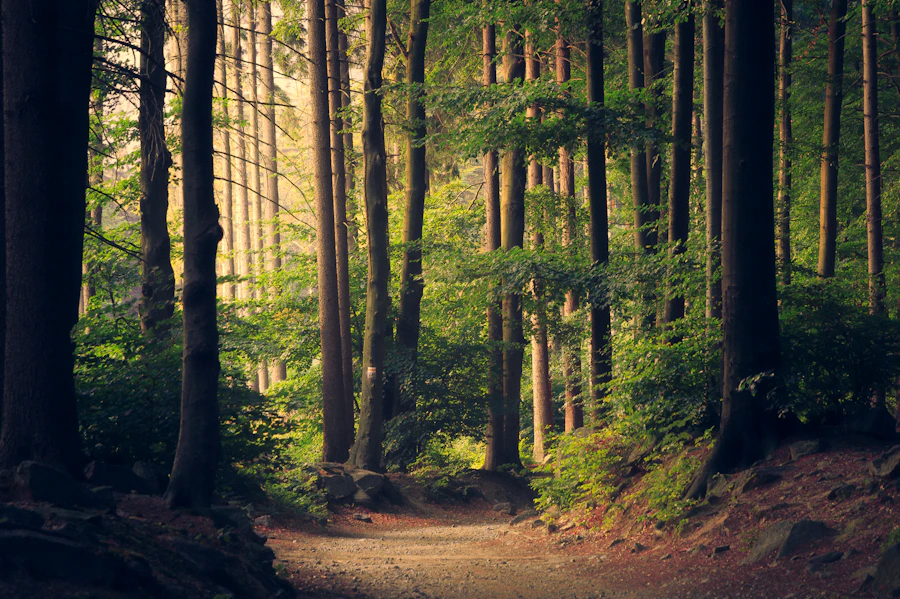
Ancient forest representing restored ecosystems

Photo by Sergei Akulich on Unsplash

✦ Premium Domain Available ✦

DeExtinction.net Is Available for Acquisition

DeExtinction.net is a rare and powerful domain for a science media project, biotech company, conservation organization, research hub, documentary brand, educational platform, newsletter, or future-facing biodiversity initiative.

As de-extinction becomes one of the most fascinating frontiers in biology and conservation, this domain offers a clear, memorable, and category-defining name — one that speaks directly to scientists, journalists, investors, educators, and the public alike.

Science Media Biotech Company Conservation Org Research Hub Documentary Brand Educational Platform Newsletter Biodiversity Initiative
Inquire About Acquisition →
Made with Unstoppable Domains

Remove this watermark

This site was built with Unstoppable Domains AI Site Builder. The site owner can remove this watermark by subscribing to an AI Credits plan.

View Plans